Birdwatching Seasons and Species Guide
Discover when to find what birds at Pape Reserve. From spring migrants to winter residents, we'll show you the seasonal patterns and species identification tips you need.
Discover when to find what birds at Pape Reserve. From spring migrants to winter residents, we'll show you the seasonal patterns and species identification tips you need.

Pape Nature Reserve sits right on the migration highway. Each year, hundreds of thousands of birds pass through on their journeys between African wintering grounds and Arctic breeding territories. It's not just the numbers that matter — it's the diversity. You'll see species here that don't show up anywhere else in the region.
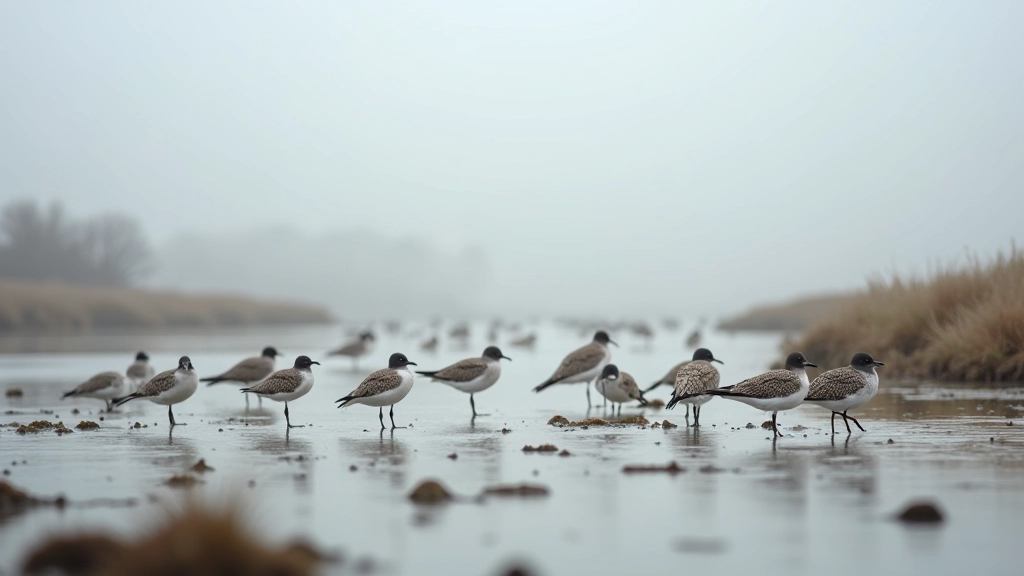
The reserve's mix of wetlands, reed beds, and open water creates perfect habitat for waders, waterfowl, and raptors. We've documented over 240 bird species using the reserve throughout the year. Some are here year-round. Others stay for just a few weeks during migration. Understanding the seasonal patterns makes the difference between a pleasant walk and an incredible wildlife experience.
Pro tip: The best viewing happens during early morning and late afternoon when birds are most active. Bring binoculars and a field guide — you'll spot something new.

Spring migration is when Pape comes alive. Starting in late March and peaking through April and May, you'll witness one of nature's most impressive movements. Millions of birds pass through in waves, each driven by changing daylight and warming temperatures.
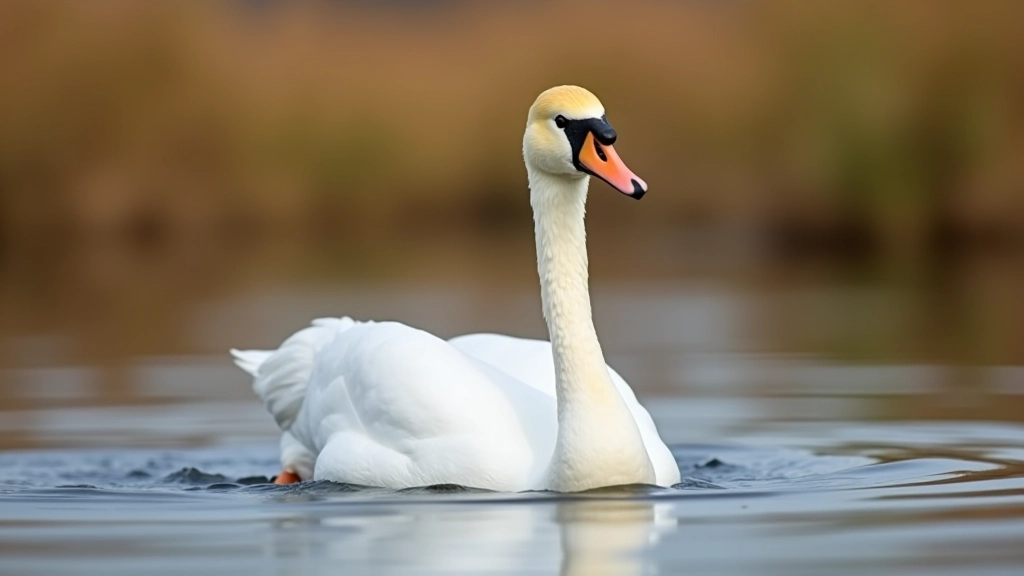
The variety is staggering. You might see whooper swans with their distinctive yellow-and-black heads, great crested grebes performing elaborate courtship displays, and countless species of warblers that spend just hours refueling before continuing north. Marsh harriers hunt over the reed beds. Spotted eagles appear — rare enough to get birders excited. If you're patient, you might catch sight of a crane pair.
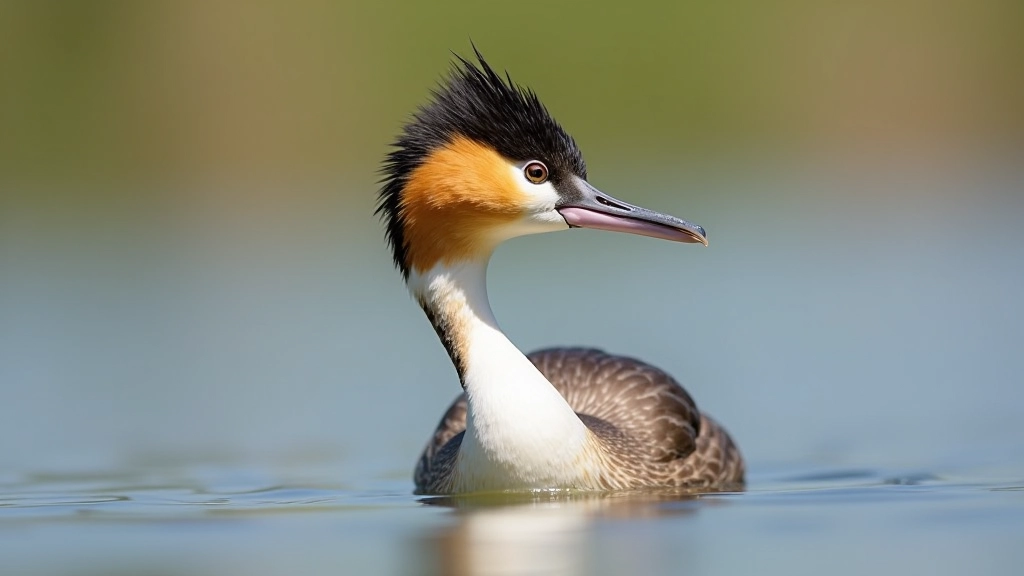
By June, the migrating masses have moved on. What remains is the breeding population — birds that've decided to raise families here. The reserve becomes quieter but more intimate. You'll spot nesting grebes performing their synchronized dances, tern colonies raising chicks, and warblers defending territories with constant singing.
Summer's best for observing behavior rather than tallying species. Pair bonds are visible. Parents carry food to chicks. Young birds start practicing flight. It's also when you need to be most careful — many birds are nesting and protecting young. Stick to designated paths and keep your distance. The reward is witnessing the complete cycle of life.
Summer brings longer daylight — sunrise around 4:30 AM, sunset near 11 PM. Early morning walks offer the quietest, most peaceful birdwatching. Most of the summer crowds visit mid-day when birds are least active.
If spring is impressive, autumn is overwhelming. The same birds that flew north in spring now return, often with hungry chicks in tow. August brings the first wave — shorebirds and warblers. September peaks with massive flocks. October still delivers surprises as late migrants push through before winter closes in.
Autumn differs from spring in one crucial way: many birds look different. They're in non-breeding plumage — duller, less distinctive. That whooper swan from spring? Now grayish. That brightly-patterned warbler? Now subtle browns. It's trickier for identification but rewarding if you're up for the challenge. You'll also see juveniles making their first migration — slightly different from adults, adding another identification puzzle.
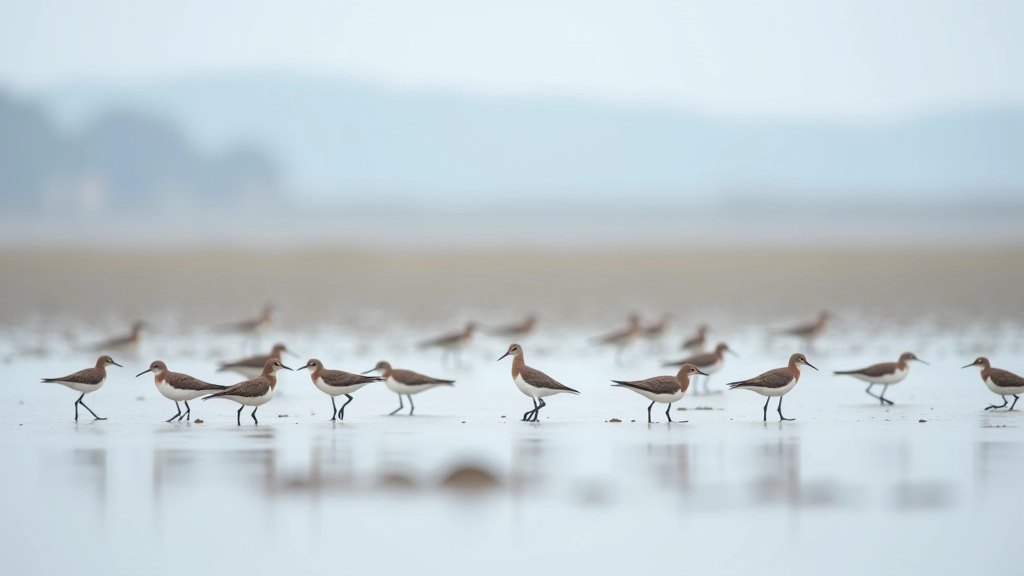
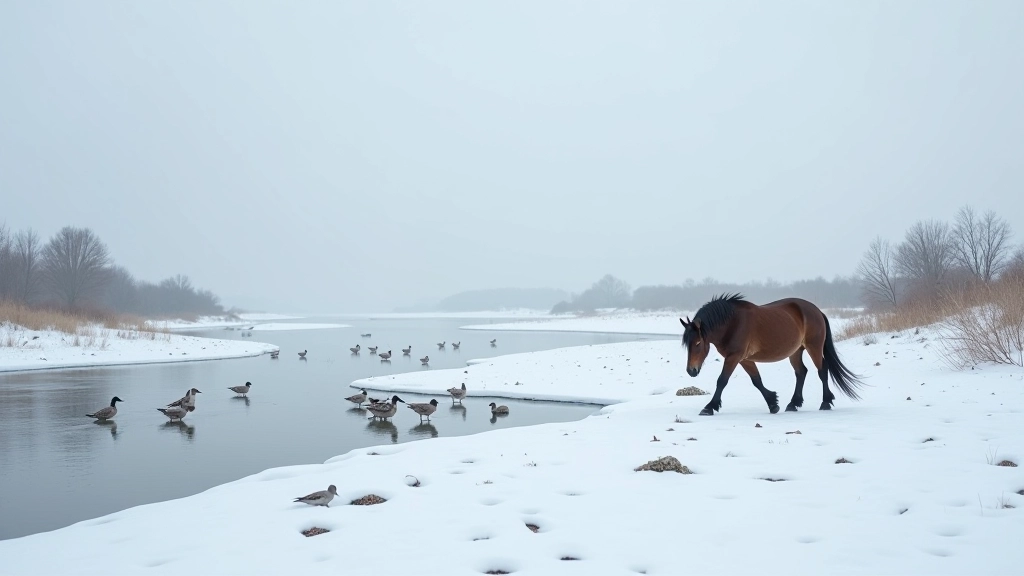
Winter seems quiet compared to migration seasons. Most birds have fled south. What remains are the species built for cold — hardy ducks, gulls, and the occasional eagle. But quiet doesn't mean empty. The reserve hosts significant populations of mallards, teal, and pochards that need open water even when the rest of the Baltic freezes.
Winter's appeal lies in simplicity and silence. You'll see fewer species but better. Without the constant turnover of migration, you can actually study individual birds. That sea eagle perched on a distant tree? You can watch it for hours. The white-tailed eagle — Latvia's national bird — appears regularly, hunting across the frozen landscape. Winter also brings occasional visitors from further north, driven south by harsh Siberian conditions.
Visits require preparation. Dress warmly. Paths can be icy. But the solitude and clarity make winter special. Fewer people visit, so you might have vast stretches of reserve to yourself.
Good binoculars matter. You don't need expensive — anything with 8x or 10x magnification works. A field guide specific to Baltic birds helps enormously. Take photos if you can. Even blurry shots help confirm identifications later when you review your notes.
Focus on silhouettes first. A distant bird you can't see clearly might still be identifiable by shape — long neck suggests a crane or heron, while a dumpy body with short tail suggests a duck. Note the habitat too. Marsh harriers hunt over reeds. Oystercatchers work mudflats. White-tailed eagles perch on distant trees. Where you find a bird narrows down what it could be.
Size is trickier than it seems. Judging distance is hard from a bird hide. Use other birds as references. Is this bird larger or smaller than nearby ducks? That helps calibrate your estimate. And don't overlook behavior — how a bird moves, whether it's diving or dabbling, whether it's solitary or in flocks. These behavioral clues are powerful identification tools.
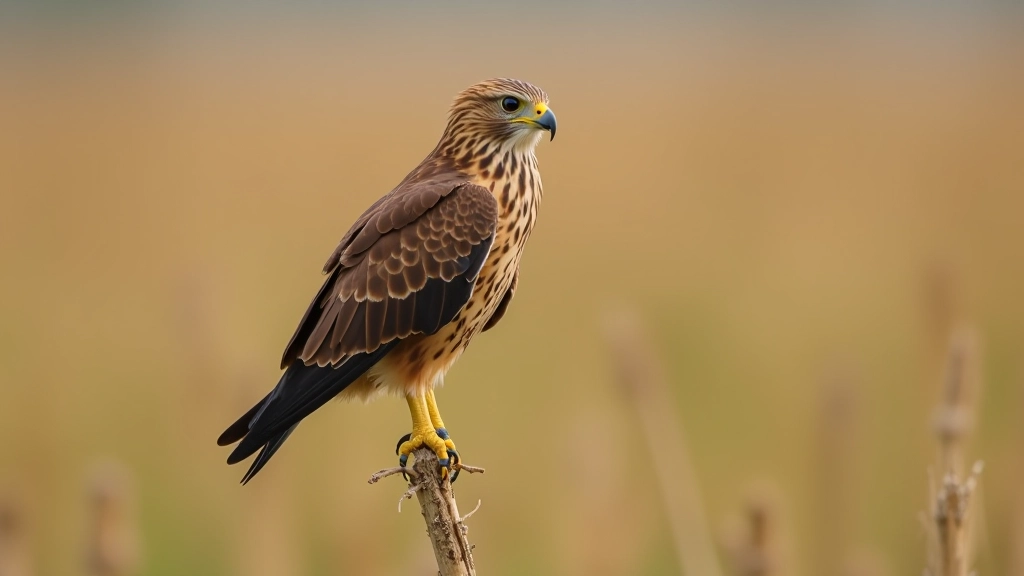
This guide provides general information about bird species and seasonal patterns at Pape Nature Reserve based on typical observations and historical data. Actual species presence and migration timing vary year to year depending on weather, food availability, and climate patterns. Always check current conditions and regulations before visiting the reserve. Some areas may be restricted during nesting season to protect breeding birds. Respect designated pathways and maintain distance from wildlife. For the most current information on bird sightings, consult local birdwatching networks and the reserve's official website.
Pape offers something different each season. Spring brings explosive diversity and sheer numbers. Summer offers intimate glimpses of breeding behavior. Autumn challenges your identification skills with returning migrants. Winter rewards the patient observer with simplicity and presence.
There's no bad time to visit. There's only the season that matches what you're looking for. Pick your season, bring your binoculars, and prepare to be amazed. The birds are waiting.