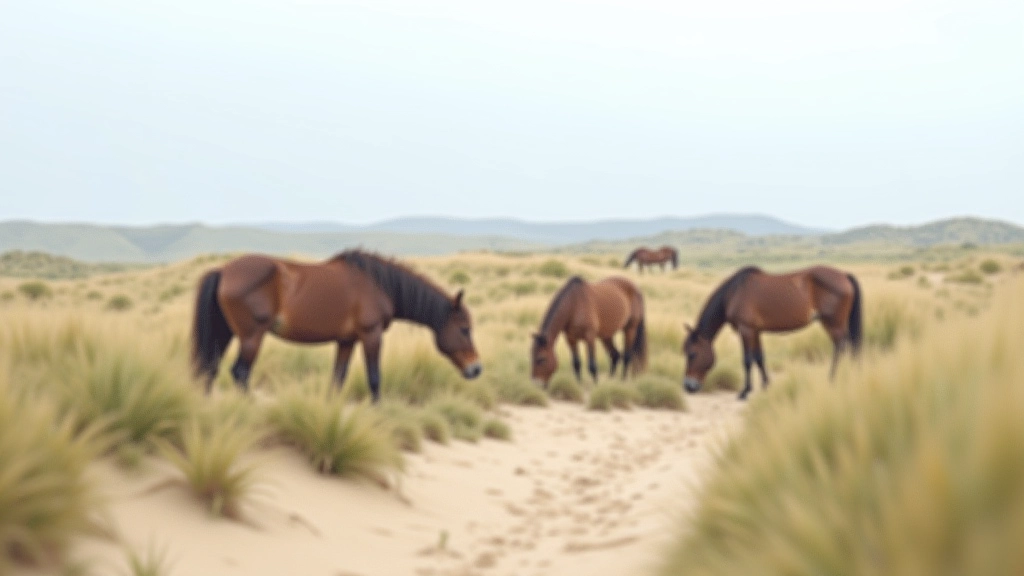
Understanding Wild Horse Behavior in Nature Reserves
Learn how to safely observe wild horses during your visits. We cover their daily patterns, seasonal movements, and what different behaviors actually mean.
Read More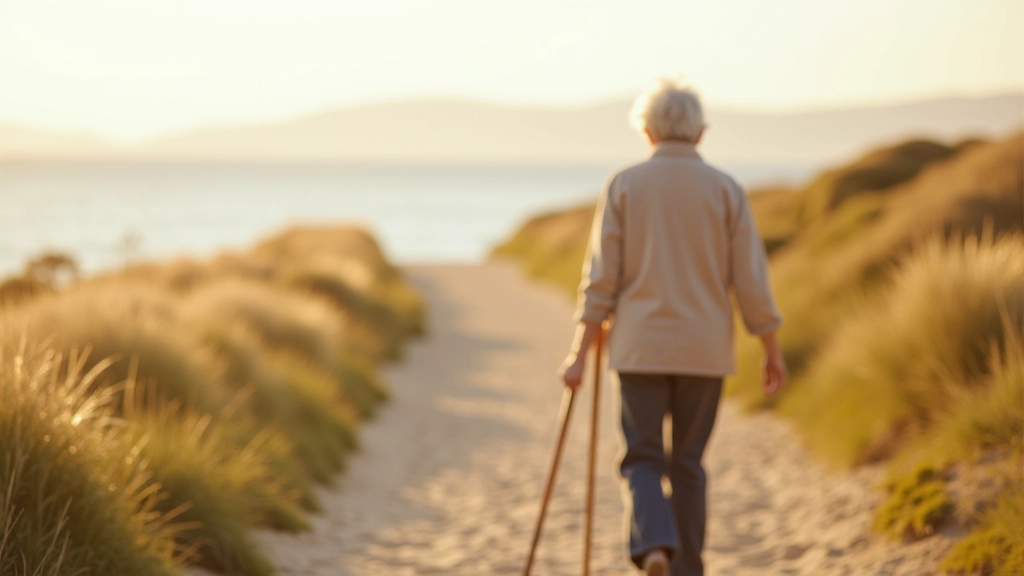
Make the most of your Pape Nature Reserve visits with practical guidance for comfortable, safe exploration

Pape Nature Reserve welcomes visitors of all abilities. Whether you're 65 or 85, there's a way to explore these coastal dunes and see wild horses grazing. The key isn't speed — it's smart planning and knowing what to expect.
We've spent years watching older adults discover this reserve. Some stick to the flat main trail. Others tackle the boardwalks. A few venture into the dunes. What matters most? Understanding your own fitness level, bringing the right gear, and taking breaks when you need them. It's not about proving anything — it's about enjoying nature without pain or exhaustion.
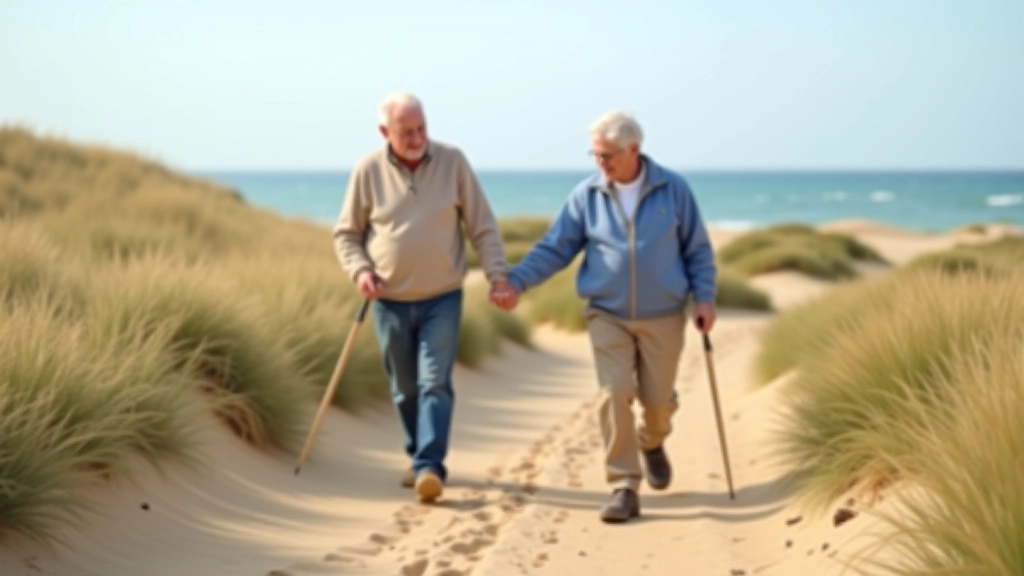

Start with weather. Pape can be windy — especially near the shore. Wind doesn't hurt, but it's exhausting. Check the forecast. If it's above 25 km/h, you're fighting harder than you should. Rain's fine. Fog? Less ideal because you lose views and distances feel longer.
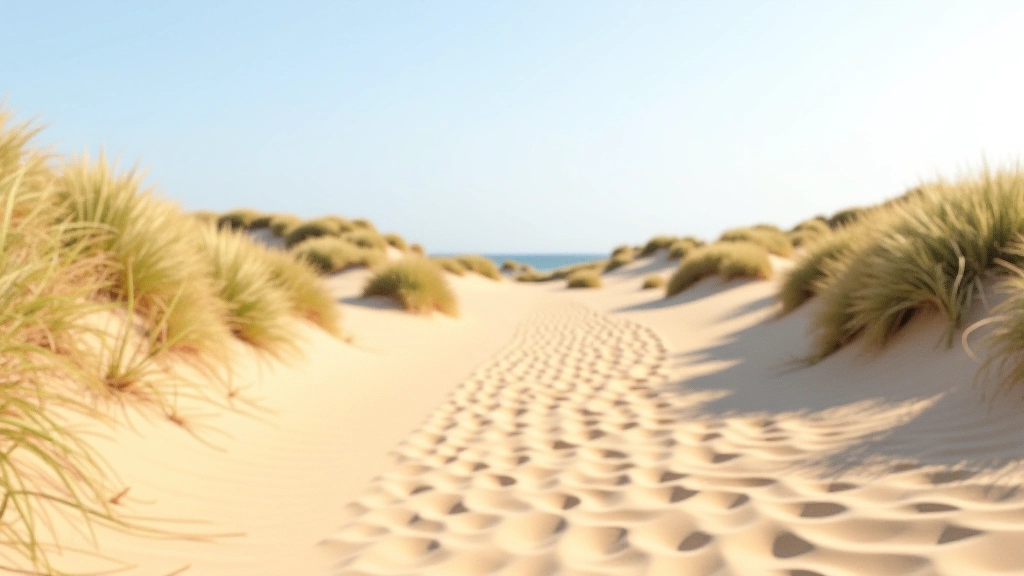
Next, know the trails. The main loop is 4.2 km on mostly flat, packed sand. That's different from 4.2 km on loose dunes. If you've been walking 2-3 km regularly, the main loop works. If you're returning after months away, do a shorter section first — maybe the boardwalk near the visitor center (0.8 km, fully accessible).
Pro tip: Go in late morning or early afternoon. You'll have better light, fewer bugs, and temperatures won't be extreme. Avoid dawn and dusk — visibility drops and paths get harder to see.
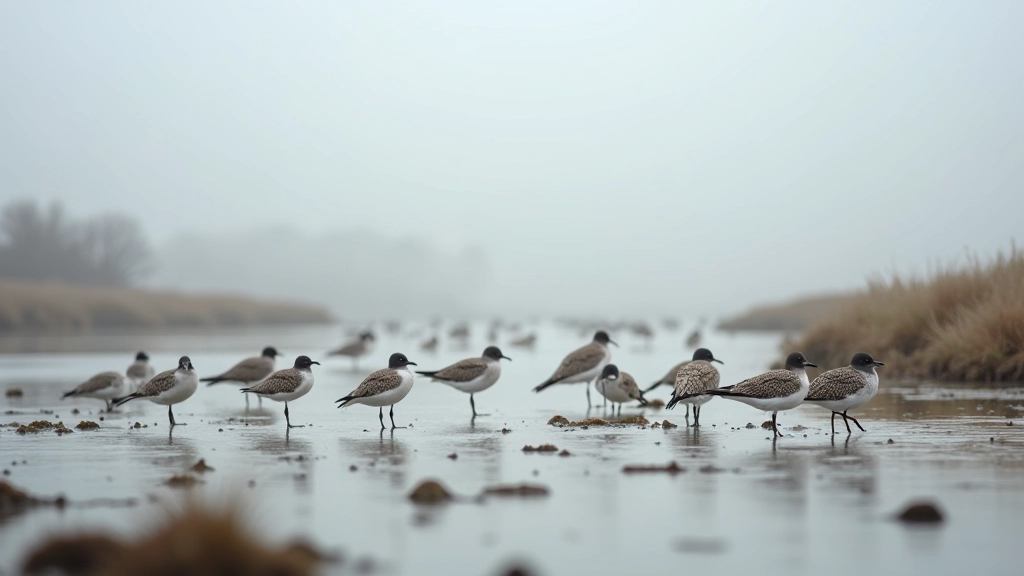
Forget fitness app speeds. You're not training. You want to notice things — the way light hits the dunes, whether there are horses visible today, what birds you see. That means slow. Really slow. You'll probably walk 2-3 km per hour. Younger people walk 4-5 km/h on flat ground. You're doing 40-50% of that speed, and that's perfect.
The boardwalk section near the visitor center is ideal for finding your rhythm. It's 0.8 km, takes about 20-30 minutes, and you can turn around anytime. No judgment. No pressure.
Start with 5 minutes at easy pace. Let your legs wake up.
20-40 minutes depending on distance. You should be able to talk, not breathe hard.
5 minutes slowing your pace. Let heart rate drop before sitting.
You don't need fancy equipment. You need smart choices.
Not for show. Poles reduce pressure on knees by 25-30% on descents. If you have joint issues, this is non-negotiable. One sturdy stick works too — whatever's comfortable.
Waterproof hiking boots or sturdy walking shoes with good ankle support. Sand shifts. You want stability. Avoid sneakers — they offer zero support on uneven ground.
Hat with a brim. Sunscreen SPF 50+. Sunglasses. The dunes reflect UV rays. You'll burn faster than you expect, even on cloudy days.
At least 1 liter of water. Dehydration creeps up without you noticing. Bring something with carbs — banana, energy bar, fruit. You'll feel the difference.
Weather changes fast. A lightweight windproof layer folds small. Carry it even if you don't use it. You'll appreciate having it.
Blister pads, pain relievers, antihistamine for insect bites. Small pack, huge peace of mind. Tell someone where you're going and when you'll return.
You're not weak for needing breaks. Your body's being smart. After 15-20 minutes of walking, find a place to sit. The benches near the visitor center are designed exactly for this. Use them without guilt.
When you rest, actually rest. Sit. Drink water. Eat something. Don't just stand there. A proper 5-10 minute break every 20 minutes means you can walk for hours without exhaustion. Rush through without breaks and you'll crash hard.
Watch for these signals: Breathing's hard, legs feel heavy, you're sweating more than normal, mind feels fuzzy. Those aren't character flaws. That's your body saying "stop." Listen to it.
Wild horses are curious, not aggressive. They'll look at you. They might come closer. That's fine. Don't approach them. Don't feed them. Keep at least 20 meters away. If a horse seems agitated (ears back, tail raised), back away slowly. It's rare, but respect their space.
The boardwalk is accessible and safe. Sand paths are firmer than they look, but uneven. Watch your footing, especially after rain when things shift. The visitor center has updated trail conditions — check before you go.
Cell reception's spotty in some areas. Bring a charged phone. Tell someone your route and expected return time. If something doesn't feel right — if you're dizzy, chest feels tight, or something hurts in a new way — stop walking. Sit down. Call for help. Don't push through.
This guide is educational information about walking at Pape Nature Reserve. It's not medical advice. If you have heart conditions, joint problems, or other health concerns, consult your doctor before hiking. Everyone's body is different. What works for one person won't work for another.
Trail conditions change seasonally. Boardwalks may close for maintenance. Weather varies. Check with the visitor center for current conditions before your visit. We've done our best to describe routes accurately, but ground truth always wins. Use common sense. Turn back if conditions worsen. Your safety matters more than any trail.
Pape Nature Reserve isn't designed for athletes. It's designed for people who want to see wild horses, walk on dunes, and breathe sea air. You fit perfectly. Age doesn't matter. Fitness level doesn't matter. What matters is showing up.
Start small. Do the boardwalk. See how you feel. Build from there. Some visitors do the same 0.8 km loop every week and love it. Others work up to the 4.2 km main trail. Both are victories. There's no ranking, no timer, no judgment.
Bring good shoes, water, and realistic expectations. Move slowly. Rest often. Watch for horses and birds. Notice the light on the dunes. That's what being here is about. Not speed. Not distance. Not proving anything. Just being outside, moving your body, and experiencing something beautiful.
See you on the trails.