
Best Dune Trails for Leisurely Walks
Discover the easiest routes through Pape Nature Reserve. Includes trail maps, difficulty ratings, and estimated walking times for different fitness levels.

Why Pape's Dune Trails Matter
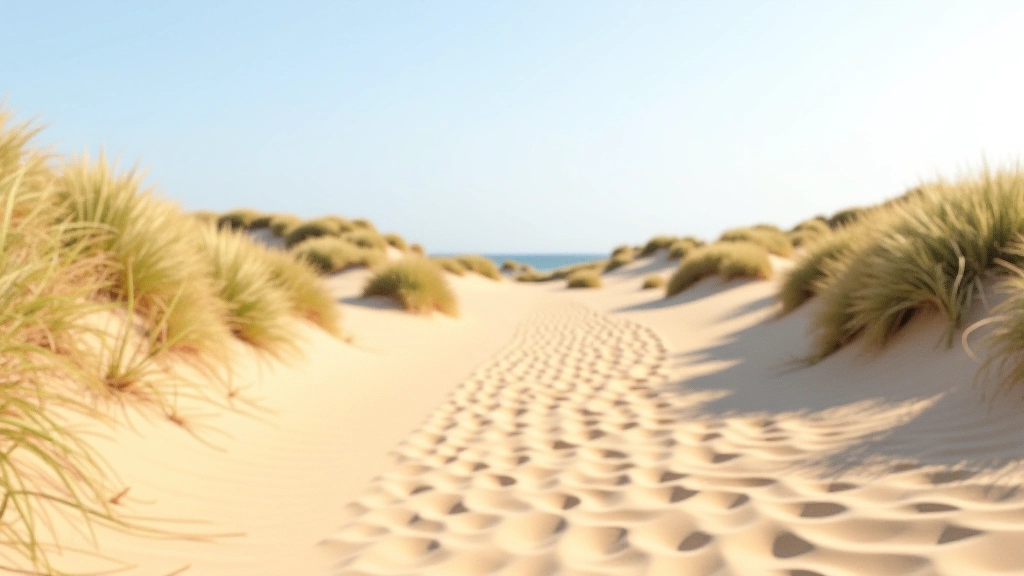
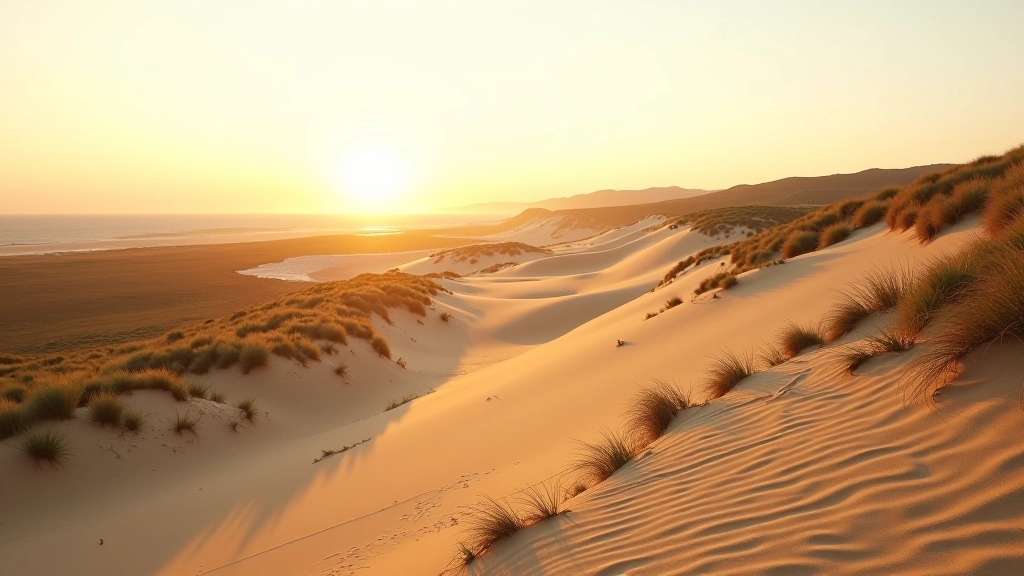
Pape Nature Reserve isn't just another coastal destination. It's a place where you can actually relax. The dune system here is special — wind-carved ridges, rare vegetation, and views that stretch for miles. Best part? You don't need to be a serious hiker to experience it.
These trails aren't brutal. They're the kind where you can chat with a friend, stop to watch birds, or just breathe in the salt air. Whether you're recovering from an injury, looking for a gentle activity, or just tired of crowded parks — you'll find something here that works.
The Main Trails at a Glance
Pape has five main dune trails. We've tested them all and picked out what makes each one worth your time. The walking times we've listed account for stops — because you will want to stop.
North Ridge Loop
EasyDistance: 2.8 km
Time: 45-60 minutes
Mostly flat with gentle elevation changes. Best for watching sunrise. The northern end opens up to views across the reserve with minimal wind exposure.
Coastal Edge Walk
EasyDistance: 3.5 km
Time: 55-75 minutes
Hugs the coastline. You'll see the beach the whole time and often spot wading birds. Sand is more compact here which makes walking easier.
Pine Forest Path
ModerateDistance: 4.2 km
Time: 70-90 minutes
Winds through older pine forest with shade. Some uphill sections but nothing steep. Great in summer heat because trees provide coverage.
Ridge Ramble
ModerateDistance: 5.1 km
Time: 85-110 minutes
Follows the highest dune ridges. More elevation but the views justify it. Wind can be strong up here — bring a windbreaker even on calm days.
Understanding the Terrain
Sand isn't like pavement. It's softer, shifts under your feet, and demands more from your legs. But it's also forgiving — you won't roll an ankle on sand the way you might on rocky trails.
What to Expect
- Soft sand sections: Found mostly on the east side of the reserve. Walking here burns more energy — you sink slightly with each step.
- Compacted sand: The coastal edge and well-traveled paths have firmer sand. Easier on knees and less tiring.
- Gravel mixing: Some trails have shells and gravel mixed in. Not sharp enough to hurt, but provides good grip on slopes.
- Vegetation obstacles: Marram grass and low shrubs line the edges. They're not dangerous but can brush against legs.
The good news? All five main trails are well-marked and maintained. You won't encounter hidden obstacles or surprise steep drops. The reserve does this properly.

How to Prepare for a Dune Walk
1
Choose Your Footwear
Sand boots or sturdy sneakers with ankle support work best. Sandals won't give you the stability you need. Bring a pair with good grip — your calf muscles will thank you when climbing slopes.
2
Pack Water (More Than You Think)
There's no shade on most trails and sun reflects off sand intensely. Bring at least 1.5 liters for a 2-hour walk. Dehydration sneaks up on you here.
3
Protect Your Skin
SPF 30 minimum, reapply after 90 minutes. The sand reflects UV rays up at you — you're getting hit from below and above. Hat with a brim makes a real difference.
4
Dress in Layers
Wind on the ridges can be surprising. A lightweight windbreaker packs small and makes the difference between uncomfortable and pleasant.

Practical Tips for Comfortable Walking
Pacing Matters More Than Distance
Walking on sand requires more effort than solid ground. You're not just covering distance — you're engaging stabilizer muscles constantly. Go slower than you'd normally walk on pavement. Stop for breaks. There's no prize for speed here.
Best Times to Walk
Early morning (6-9 AM) and late afternoon (4-7 PM) are ideal. Midday sun is intense and the reserve gets busier. Plus, lighting is better for spotting wildlife at these times. Winter walks are quieter but wind can be strong — dress accordingly.
Wildlife Consideration
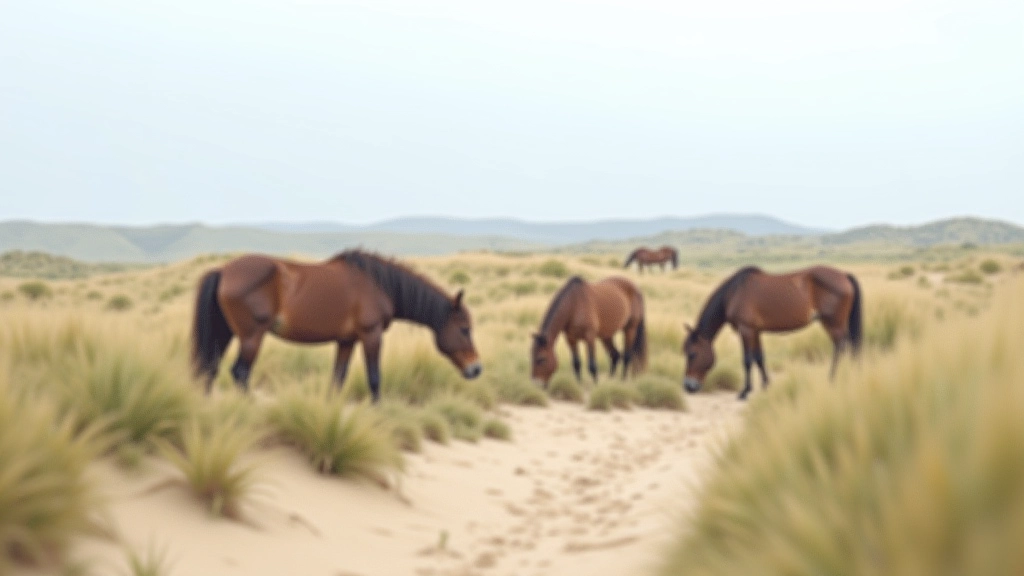
You'll likely see birds. Stay calm, move slowly, and don't approach. The wild horses here are habituated to people but still wild — keep at least 20 meters distance. Photography is fine from that distance.
Choosing the Right Trail for Your Fitness Level
New to Walking / Recovery
Best trails: North Ridge Loop, Coastal Edge Walk
Start with the North Ridge Loop. It's the flattest option and gives you a feel for sand walking without overwhelming your body. Take your time. Two hours is perfectly reasonable for this trail.
Rest between sections if needed. The reserve has benches at strategic points.
Regular Activity / Moderate Fitness
Best trails: Coastal Edge Walk, Pine Forest Path
These trails give you more distance without extreme elevation. The Coastal Edge Walk is particularly rewarding — you're constantly seeing something different as you move along the shore.
Expect to be tired after these walks. That's normal. You're working harder than on regular trails.
Experienced Hikers
Best trails: Ridge Ramble, Pine Forest Path combination
You can tackle all five trails or combine them. Ridge Ramble is the most demanding but the views from the high points are worth it. You'll still feel the sand working your muscles differently than solid ground.
Don't underestimate the reserve. Wind on the ridges can be fierce. Weather matters here.
Safety and Weather Considerations
Pape is generally safe for casual walkers, but weather changes quickly on coastal dunes. Here's what you need to know.
Weather Watch
Check the forecast before you go. Wind speeds above 40 km/h make walking uncomfortable — sand blows in your face and wind gusts are unpredictable. Rain transforms the sand and makes slopes slippery. Fog happens. Bring a compass or download a map offline if you're doing longer trails.
Physical Limits
If you have knee or ankle issues, start with flat sections only. The Coastal Edge Walk is your best bet. Sand walking stresses joints differently than regular walking. Build up gradually. And honestly? If you're not feeling well that day, skip the walk. The dunes will be there next week.
Getting Lost
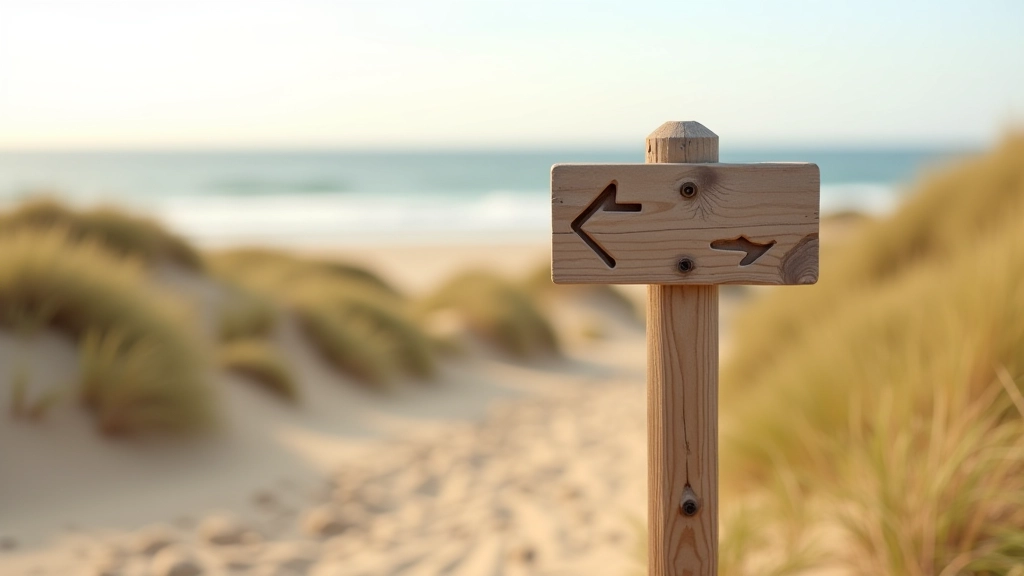
The five main trails are clearly marked with wooden signs at intersections. It's hard to genuinely get lost here. But if you wander off trail, you'll get disoriented quickly. Stay on marked paths. If you're unsure, turn back.
Important Information
This article provides educational information about dune trails in Pape Nature Reserve. Walking conditions, trail accessibility, and wildlife presence vary seasonally and may change. Before visiting, check the official Pape Nature Reserve website for current conditions, closures, or restrictions. If you have health concerns or physical limitations, consult with your doctor before undertaking any new walking activity. Weather conditions can change rapidly — always check forecasts and be prepared for unexpected changes. The reserve management is responsible for final decisions about trail access and visitor safety.
Getting Started With Your First Dune Walk
You don't need special training or peak fitness to enjoy Pape's dune trails. You need appropriate shoes, water, and realistic expectations about pace. Start with the North Ridge Loop if you're unsure. Give yourself extra time — there's no rush. These walks aren't about covering distance quickly. They're about being outside, watching birds, feeling the wind, and maybe seeing wild horses in the distance.
The dunes have been here for thousands of years. They'll be here next week if you need to postpone. Go when conditions feel right. Walk at your pace. Stop whenever you want. That's what makes these trails special — they work for everyone who shows up ready to walk.
More Pape Nature Reserve Guides